Rolled Insulation Service in Austin, TX
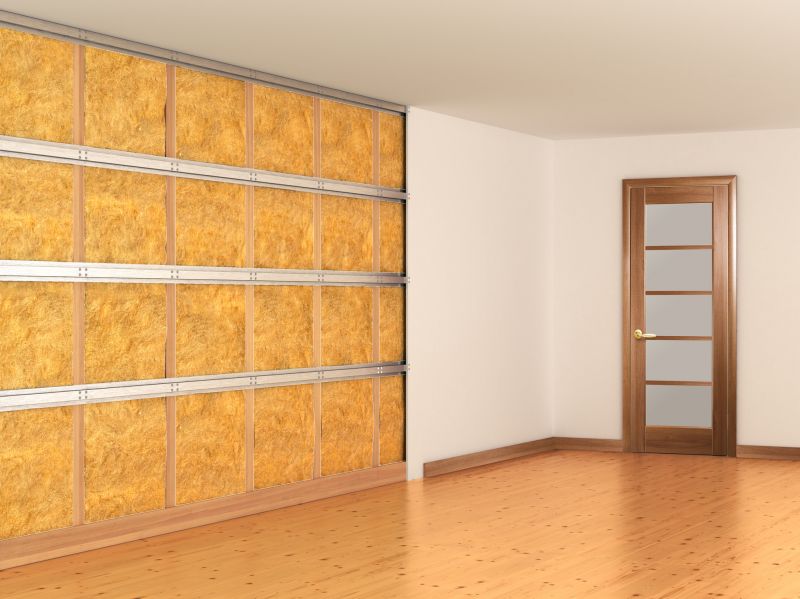
Rolled insulation services involve the installation of long, continuous sheets of insulation material, typically made from fiberglass or mineral wool, to improve a building’s thermal performance. This type of insulation is commonly used in attics, walls, basements, and crawl spaces to help regulate indoor temperatures and reduce energy costs. Property owners considering rolled insulation should understand the importance of proper installation to avoid gaps or compression, which can diminish its effectiveness. It’s also helpful to know the specific R-value needed for the area to ensure the insulation meets local building codes and provides adequate thermal resistance.
Homeowners often request rolled insulation services when upgrading or adding insulation during renovations, new construction, or to address energy inefficiencies. Before requesting this service, property owners typically want to understand the scope of the project, including which areas are best suited for rolled insulation, and any necessary preparation steps. Clarifying the type of insulation material, its suitability for the climate, and how it can enhance comfort and energy savings can help ensure the installation meets the property’s needs effectively.
Many property owners in Austin, TX look into Rolled Insulation Service for repairs, replacements, upgrades, and appearance-related improvements.
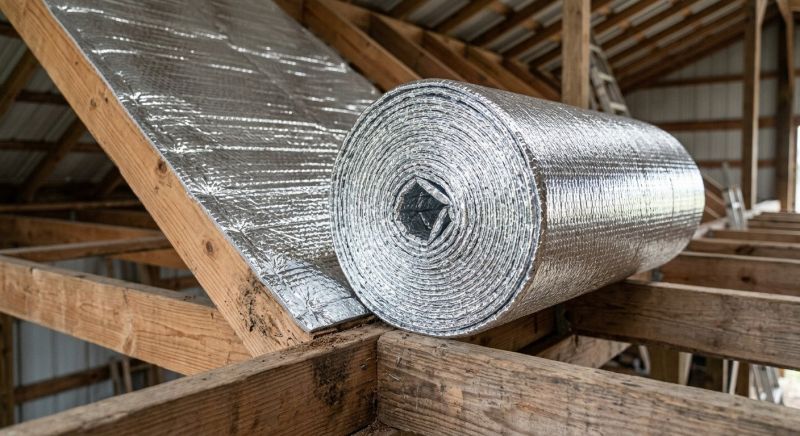
Insulation For Attic Spaces
Rolled insulation helps improve energy efficiency in attics and reduces heating and cooling costs.
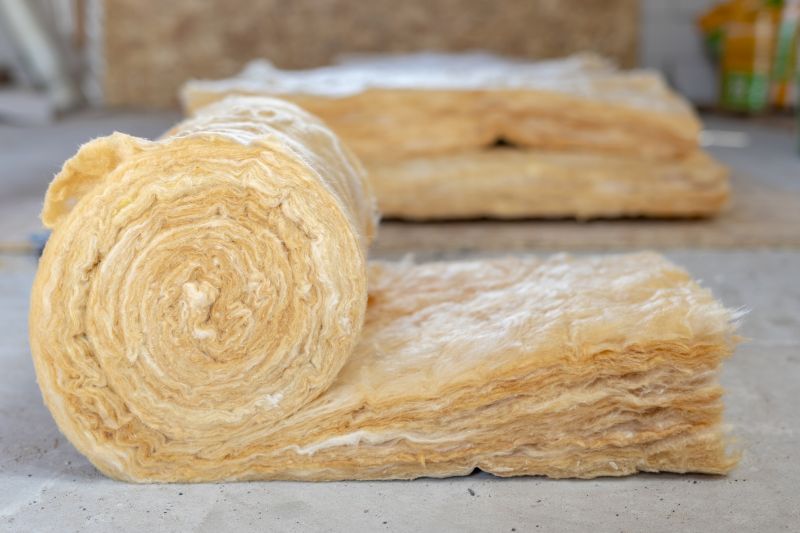
Soundproofing Solutions
Installing rolled insulation can minimize noise transfer between rooms and from outside in austin homes.
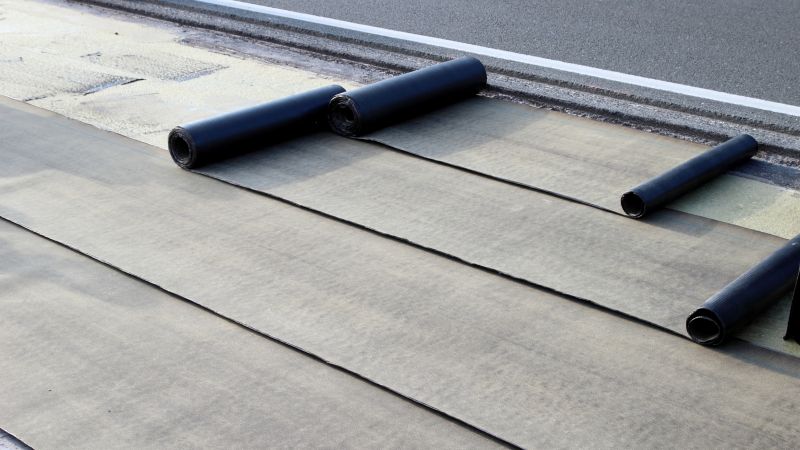
Home Comfort Enhancements
Properly installed rolled insulation maintains consistent indoor temperatures and enhances overall comfort.
Rolled Insulation Service in Austin, TX

Rolled insulation services involve the installation of long, continuous sheets of insulation material, typically made from fiberglass or mineral wool, to improve a building’s thermal performance. This type of insulation is commonly used in attics, walls, basements, and crawl spaces to help regulate indoor temperatures and reduce energy costs. Property owners considering rolled insulation should understand the importance of proper installation to avoid gaps or compression, which can diminish its effectiveness. It’s also helpful to know the specific R-value needed for the area to ensure the insulation meets local building codes and provides adequate thermal resistance.
Homeowners often request rolled insulation services when upgrading or adding insulation during renovations, new construction, or to address energy inefficiencies. Before requesting this service, property owners typically want to understand the scope of the project, including which areas are best suited for rolled insulation, and any necessary preparation steps. Clarifying the type of insulation material, its suitability for the climate, and how it can enhance comfort and energy savings can help ensure the installation meets the property’s needs effectively.
Many property owners in Austin, TX look into Rolled Insulation Service for repairs, replacements, upgrades, and appearance-related improvements.
Common Rolled Insulation Service Jobs
Attic insulation - improves energy efficiency by reducing heat transfer in homes.
Wall cavity insulation - helps maintain consistent indoor temperatures and reduces drafts.
Basement insulation - prevents heat loss and minimizes moisture issues in below-grade spaces.
Garage insulation - enhances comfort and energy savings in attached or detached garages.
Commercial insulation projects - provides thermal management for business properties and warehouses.
Retrofit insulation - upgrades existing insulation to improve home comfort and energy performance.
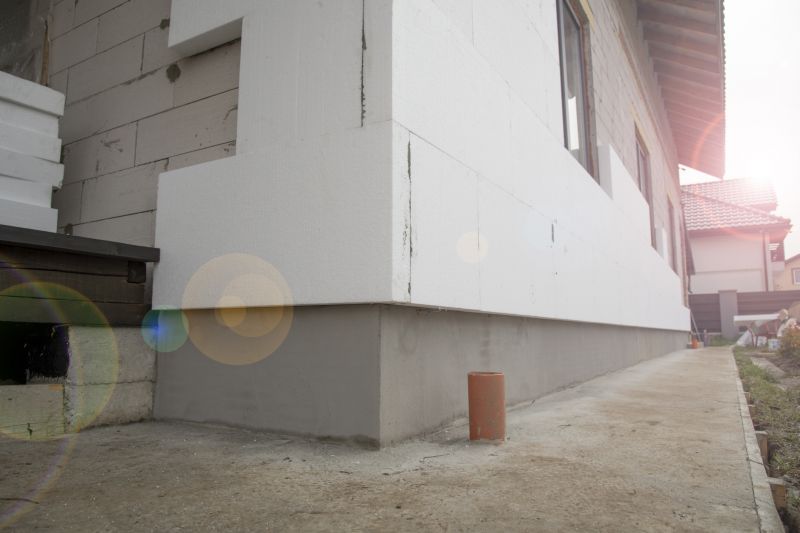
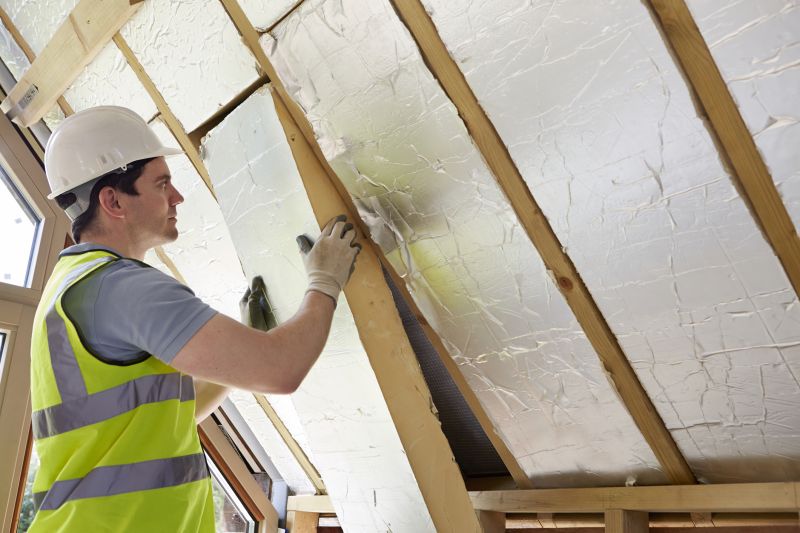
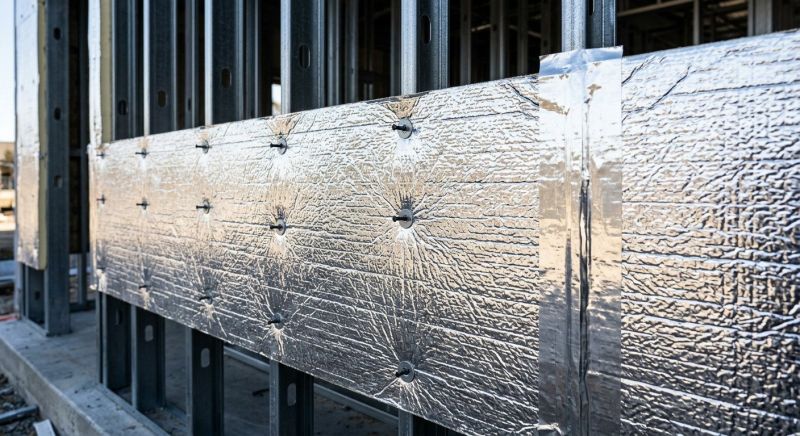
Rolled Insulation Service Questions
What is rolled insulation used for? Rolled insulation is commonly installed in attics, walls, and floors to improve thermal performance and energy efficiency in homes and buildings.
How is rolled insulation installed? It is unrolled and placed between framing members, then cut to fit around obstacles and secured in place for effective coverage.
What types of materials are available for rolled insulation? Common options include fiberglass, mineral wool, and foam-backed rolls, each suited for different insulation needs and preferences.
Is rolled insulation suitable for all types of properties? Rolled insulation works well in many residential and commercial projects, especially in spaces with standard framing and accessible areas.
Request Rolled Insulation Service in Austin, TX
Use the quote form on this page to share the basics of your project and request more information for the type of work you need.